Puseletso Phetoane | Founder, Quthing Inclusive International | Lesotho | Online Cohort 22 Alum
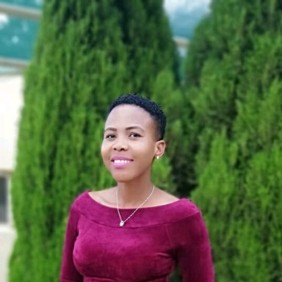
For Puseletso Phetoane, every child deserves the opportunity to learn, regardless of their abilities. After witnessing how many children with disabilities in Quthing, Lesotho, were excluded from education due to inaccessible schools, a lack of trained teachers and limited inclusive policies, she decided to become part of the solution.
In 2024, Puseletso founded Quthing Inclusive International School to provide a learning environment where children with disabilities could thrive alongside their peers. What began with just nine learners in makeshift iron-sheet classrooms has grown into a flourishing school with 70 enrolled students, three permanent classrooms and a team of five dedicated teachers.
“Our goal has always been to create a school where every child feels valued, supported and equipped to reach their full potential,” says Puseletso.
Recognising that meaningful inclusion extends beyond access to education, the school works closely with the Ministry of Education and the Ministry of Social Development to strengthen its impact and ensure long-term sustainability. These partnerships have enabled the school to continue expanding opportunities for children who have historically been left behind.
The school’s innovative approach has already gained national recognition, earning first place in the Sebabatso Initiative Competition for its commitment to inclusive education and social impact. Building on this success, Puseletso was also selected as one of the recipients of the 2026 RLC-SA Virtual Alumni Exhibition Grant, providing a platform to showcase the school’s innovative model to a wider regional audience.
Puseletso credits the RLC-SA programme with strengthening both her leadership and entrepreneurial skills. Through the programme’s human-centred design and design thinking approach, she learned the importance of listening directly to the communities she serves. Conversations with parents revealed that they wanted more than an inclusive school. They wanted their children to develop practical skills that would prepare them for independent and meaningful lives.
Inspired by this feedback, the school introduced vocational training programmes in beauty grooming, catering and crafts, giving learners valuable entrepreneurial and life skills from an early age.
Looking ahead, Puseletso envisions expanding the institution into an inclusive high school and technical school that equips young people with disabilities to live independently and participate fully in the economy. She also hopes to introduce computers and digital learning tools to ensure her students develop the digital skills needed to succeed in an increasingly technology-driven world.